

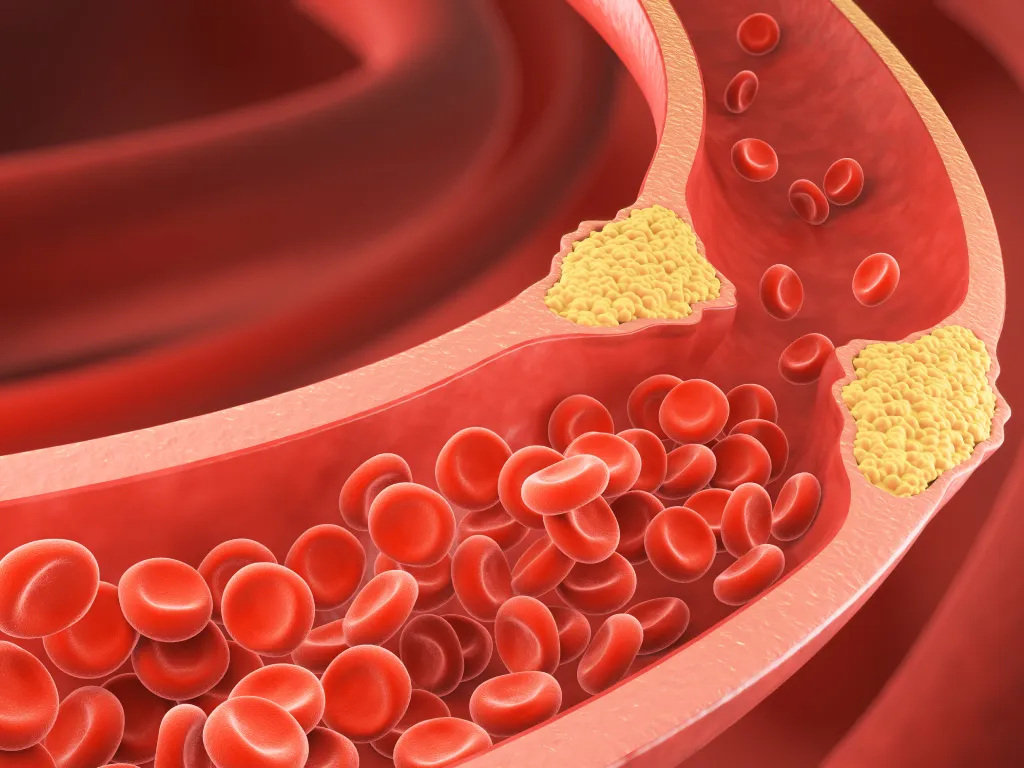
If you have been told your cholesterol is high, or you are simply trying to understand what the condition actually means, you are not alone.
Nearly 1 in 3 adults in Singapore has high blood cholesterol, and many remain unaware of it for years because it often shows no obvious symptoms.
Left unaddressed, it can have serious consequences for the heart, brain, and kidneys.
Key Takeaways
- Nearly 1 in 3 adults in Singapore has high cholesterol.
- Most people do not experience symptoms and only discover it during routine screening.
- Untreated high cholesterol can increase the risk of heart disease, heart attack, stroke, and peripheral artery disease.
- Regular cholesterol screening helps detect problems early and reduce long-term cardiovascular risk.
What Is Cholesterol — And Why Can It Become a Problem?
Cholesterol is a type of fat, also known as a lipid, that circulates in the bloodstream. Your body naturally produces cholesterol because it is needed for many important functions, including:
- Building healthy cells
- Producing hormones such as oestrogen and testosterone
- Supporting vitamin D production
Most cholesterol is made by the liver, while a smaller amount comes from the food we eat.
However, not all cholesterol behaves the same way in the body.
- LDL Cholesterol (“Bad” Cholesterol): Low-density lipoprotein (LDL) cholesterol can build up inside the walls of blood vessels over time.
- HDL Cholesterol (“Good” Cholesterol): High-density lipoprotein (HDL) cholesterol helps carry excess cholesterol back to the liver, where it can be removed from the body.
What Happens When Cholesterol Levels Rise?
What Is Hyperlipidaemia?
Hyperlipidaemia is the clinical term for abnormally high levels of fat in the blood, including LDL cholesterol and triglycerides.
It is one of the most common cardiovascular risk factors in Singapore and is often only detected during routine screening.
What Is Atherosclerosis?
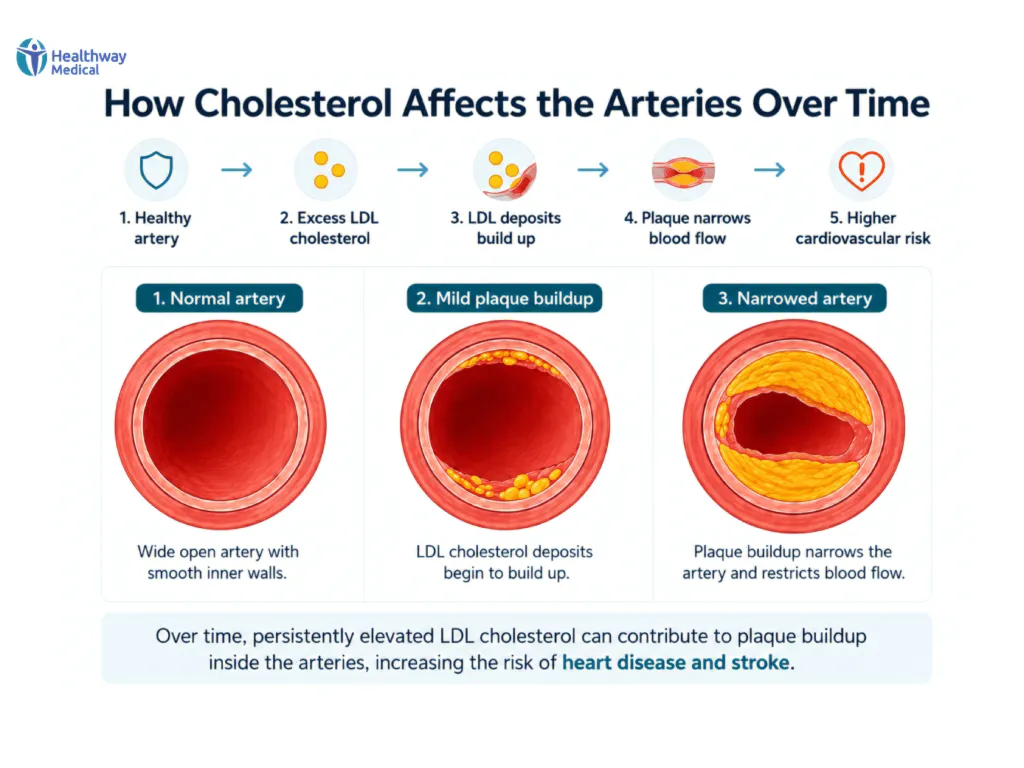
When LDL levels remain elevated, cholesterol can begin accumulating within the walls of the arteries, leading to a condition known as atherosclerosis.
Over time, the arteries gradually narrow and stiffen, affecting blood flow throughout the body.
To understand what a lipid profile measures and how to read your results, see our article - Lipid profile test in Singapore, explained.
What Can High Cholesterol Lead To?
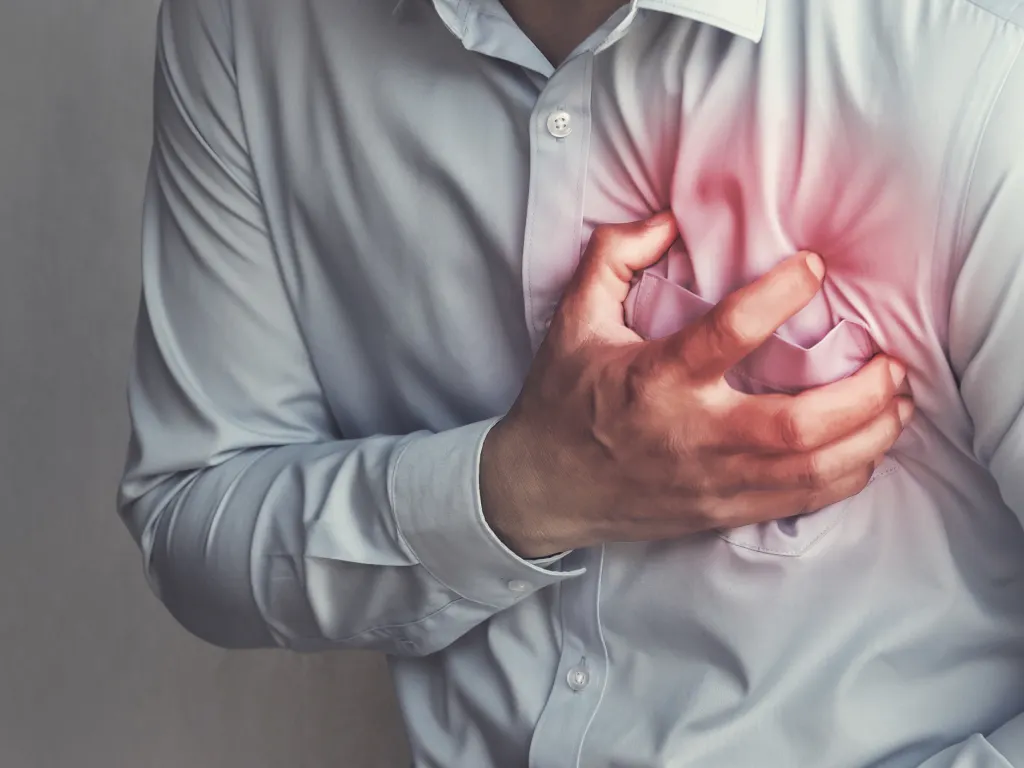
When high cholesterol remains unmanaged, it can increase the risk of several serious health conditions.
Coronary Heart Disease
Coronary heart disease develops when the arteries supplying blood to the heart become narrowed by plaque buildup.
As blood flow decreases, the heart receives less oxygen. This can lead to symptoms such as:
- Chest pain
- Shortness of breath
- Fatigue during physical activity
Coronary heart disease is one of the leading causes of death in Singapore, and elevated LDL cholesterol is a major risk factor.
During health screening, doctors will assess cholesterol levels together with other cardiovascular risk factors to determine overall heart disease risk.
Heart Attack
A heart attack occurs when blood flow to part of the heart is suddenly blocked, usually due to plaque rupture and subsequent clot formation within a coronary artery.
Without prompt treatment, a portion of the heart muscle can become permanently damaged.
Stroke
High cholesterol can also contribute to the narrowing of blood vessels supplying the brain. When blood flow to part of the brain is blocked or severely reduced, an (ischaemic) stroke occurs. Stroke can affect speech, movement, memory, and cognitive function.
Keeping cholesterol within a healthy range is an important step in reducing stroke risk, making cholesterol screening important especially for individuals with a family history of stroke or other cardiovascular risk factors.
Peripheral Artery Disease
Peripheral artery disease occurs when blood flow to the legs becomes reduced due to narrowing of the arteries. Reduced circulation can cause pain, cramping, and numbness in the legs, particularly during physical activity.
In severe cases, restricted blood flow can affect wound healing and overall tissue health. Peripheral artery disease is often underdiagnosed as its symptoms are frequently mistaken for ageing or muscle fatigue.
High Blood Pressure
As atherosclerosis narrows the arteries, resistance to blood flow increases. Over time, this can contribute to strain on the cardiovascular system. High blood pressure and high cholesterol frequently occur together as they share many of the same risk factors. Both conditions increase the risk of long-term heart disease. Managing cholesterol is therefore an important part of overall cardiovascular risk reduction.
Chronic Kidney Disease
The kidneys rely on healthy blood flow to filter waste effectively.
When atherosclerosis leads to narrowing of the arteries supplying the kidneys, blood flow may be reduced over time which can impair kidney function and contribute to the development of chronic kidney disease. Kidney function tests are often included alongside lipid panels to provide a broader picture of overall heart, metabolic and kidney health.
What Causes High Cholesterol in Singapore?
High cholesterol rarely has a single cause. For most people, it results from a combination of diet, lifestyle, age, and genetic factors. In Singapore, these influences are shaped by local dietary patterns and lifestyle habits.
Diet and Lifestyle
A diet high in saturated fat is a key contributor to elevated LDL cholesterol. Saturated fat is found in foods such as red meat, full-fat dairy, coconut milk, palm oil, and processed foods, many of which are commonly consumed in everyday diets and hawker meals in Singapore.
This does not mean avoiding hawker food entirely, but rather that overall dietary patterns matter and that small, consistent changes can have a measurable effect on lipid levels. Physical inactivity, excess calorie intake, alcohol consumption, and smoking further increase cardiovascular risk.
Age and Hormonal Changes
Cholesterol levels can change with age. In women, the decline in oestrogen during perimenopause and menopause is associated with increases in LDL cholesterol and other changes in lipid metabolism that may contribute to higher cardiovascular risk.
As cardiovascular risk factors can change during midlife, women in their 40s and 50s should consider discussing with their healthcare provider regarding cholesterol screening based on their individual risk profile. In men, age-related testosterone decline may also influence lipid metabolism, although the effects are generally more variable and less clearly defined.
Genetics and Family History
A family history of high cholesterol or premature cardiovascular disease is an important cardiovascular risk factor. If a parent or sibling was diagnosed with heart disease before the age of 55 in men or 60 in women, your baseline cardiovascular risk may be higher even if you maintain a healthy lifestyle. This is why family history is one of the key factors that doctors consider when assessing cholesterol levels and overall cardiovascular risk.
The most significant inherited cause of markedly elevated LDL cholesterol is familial hypercholesterolaemia (FH), a genetic condition that impairs the body's ability to remove LDL effectively. As a result, individuals with FH typically have significantly elevated LDL levels from birth, even with a healthy diet and lifestyle. FH is estimated to affect around 20,000 people in Singapore, with more than 90% undiagnosed.
Whether the cause is dietary, hormonal, or genetic, high cholesterol often develops silently and is typically detected through a blood test. Early identification allows more opportunities for effective management and long-term cardiovascular risk reduction.
How Is High Cholesterol Detected?

High cholesterol is detected through a blood test known as a lipid profile. A lipid profile measures several lipid markers, including LDL cholesterol, HDL cholesterol, triglycerides and cholesterol ratios, helping doctors assess your overall cardiovascular risk and guide appropriate management.
For a full explanation of what each marker measures and what your results mean, see our article Lipid profile test in Singapore, explained.
At Healthway Screening, every executive health screening programme includes a five-marker lipid profile as part of a broader assessment of cardiovascular, metabolic, kidney and liver health. All results are reviewed with a doctor during a post-screening consultation to help patients better understand their results and discuss any appropriate follow-up or lifestyle measures where needed.
To find out which programme is right for you, visit the Healthway Screening programmes page.
Frequently Asked Questions
What is the difference between hyperlipidaemia and atherosclerosis?
Hyperlipidaemia refers to abnormally elevated levels of fats, including LDL cholesterol, in the blood. Atherosclerosis is one of the potential consequences that can develop over time as a result. When LDL cholesterol remains elevated for prolonged periods, it can accumulate within artery walls, contributing to plaque formation, narrowing of the arteries and reduced blood flow. In simple terms, hyperlipidaemia is a major risk factor that drives the development of atherosclerosis.
What are the symptoms of high cholesterol?
High cholesterol is often described as a silent condition as it typically causes no noticeable symptoms. As a result, many people are unaware that they have it until detected through a blood test, making regular cholesterol screening important for early detection.
What causes high cholesterol in Singapore?
High cholesterol is usually caused by a combination of factors, including diet, physical inactivity, age, hormonal changes, and genetics. Smoking, excess alcohol consumption, and diets high in saturated fat can adversely affect cholesterol levels and overall cardiovascular health. For some individuals, genetics play a major role, particularly in familial hypercholesterolaemia.
Can high cholesterol be reversed?
In many cases, cholesterol levels can improve significantly through lifestyle changes such as dietary modification, regular physical activity, weight management, and smoking cessation. For individuals with genetically driven conditions such as familial hypercholesterolaemia, medication is often required in addition to lifestyle measures.
What is the difference between LDL and HDL cholesterol?
LDL cholesterol, often referred to as ‘bad’ cholesterol, can accumulate within artery walls and is a major contributor to plaque buildup and atherosclerosis. HDL cholesterol, often known as ‘good’ cholesterol, helps transport excess cholesterol away from the arteries and back to the liver for processing and removal. A healthy lipid profile involves maintaining favourable cholesterol levels overall, particularly keeping LDL cholesterol within a healthy range.
How common is high cholesterol in Singapore?
Nearly 1 in 3 adults in Singapore has high blood cholesterol, according to the National Population Health Survey 2024. It is one of the most common cardiovascular risk factors in the country, and many individuals remain unaware that they have it until detected through a blood test.