


A lipid profile test measures more than a single cholesterol value. It measures several lipid markers that help doctors assess cardiovascular risk more accurately. Understanding what these markers mean is an important first step in assessing your cardiovascular health. Doctors interpret lipid profile results together with other factors such as age, blood pressure, diabetes, smoking history, and family history to assess overall cardiovascular risk.
In Singapore, high blood cholesterol was present in 73.3% of heart attack patients across close to 12,000 cases in 2020. Because elevated cholesterol often develops without noticeable symptoms, screening can help identify risk early before complications arise.
What is a lipid profile test?
Cholesterol itself is not inherently harmful. In fact, the body needs cholesterol for many important functions. However, when certain types of cholesterol, particularly LDL cholesterol, become elevated over time, they can contribute to plaque buildup within the arteries and increase the risk of cardiovascular disease.
A lipid profile test, also known as a cholesterol blood test or lipid panel, measures cholesterol and other fats circulating in your blood. It is the standard test used in cholesterol screening and helps doctors assess cardiovascular risk using several important lipid markers.
What does a lipid profile test measure?
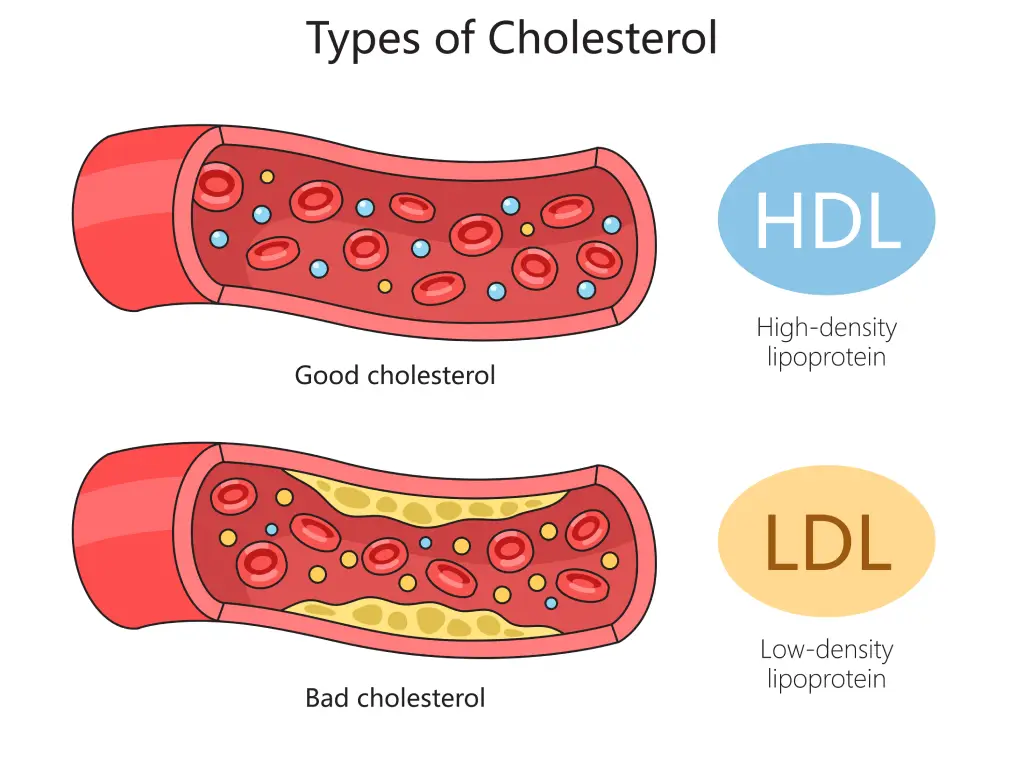
A lipid panel measures several lipid markers that together help your doctor assess your cardiovascular risk. Understanding what these markers mean can help identify increased risk early, before cardiovascular complications develop.
The five markers in a lipid profile
| Total Cholesterol | What it is: The combined measure of all cholesterol types circulating in your blood, including LDL, HDL, and other lipid components. Why it matters: It provides an overview of total circulating cholesterol levels but does not distinguish whether the balance between different lipid components is favourable or unfavourable on its own. It is always read alongside the rest of the panel rather than in isolation. Desirable target: Below 5.2 mmol/L1 |
|---|---|
| LDL Cholesterol | What it is: Low-density lipoprotein, commonly referred to as "bad" cholesterol. Why it matters: The cholesterol type most strongly linked to plaque buildup along artery walls. Persistently high LDL levels increase the risk of artery narrowing and heart disease over time. Desirable target: Below 2.6 mmol/L for most adults2 *Lower targets apply for individuals with diabetes, hypertension, or existing heart disease. Your doctor will advise on the appropriate target for your personal risk profile |
| HDL Cholesterol | What it is: High-density lipoprotein, commonly referred to as "good" cholesterol. Why it matters: The level of cholesterol involved in transporting excess cholesterol away from the arteries and back to the liver for processing and removal. Lower HDL levels are associated with increased cardiovascular risk. Desirable target: Above 1.0 mmol/L1 |
| Triglycerides | What it is: A type of fat found in the blood that stores excess energy from food. Why it matters: The level of triglyceride fats circulating in your blood. Triglyceride levels tend to rise with diets high in refined carbohydrates, sugar, and alcohol. Elevated triglycerides alongside high LDL or low HDL may further increase cardiovascular risk. Very high triglyceride levels are also independently associated with pancreatitis1. Desirable target: Below 1.7 mmol/L1 |
| Total Cholesterol / HDL Ratio | What it is: A calculated ratio that compares your total cholesterol to your HDL level. It provides additional supporting information that may help doctors assess cardiovascular risk alongside other lipid markers. Why it matters: The ratio reflects the relationship between total cholesterol and HDL cholesterol levels. Lower ratios are generally associated with a more favourable cardiovascular risk profile, while higher ratios may be linked to increased cardiovascular risk. This is one of several factors doctors may consider when interpreting your lipid profile. Desirable target: 3.5 or below1 2 |
What Are Normal Cholesterol Levels in Singapore?
The reference values below are drawn from the Singapore Heart Foundation and SingHealth cholesterol management guidance. All figures are in mmol/L, which stands for millimoles per litre, the standard unit used in Singapore for reporting cholesterol levels in blood tests.
| Marker | Desirable | Borderline High | High |
|---|---|---|---|
| Total Cholesterol | Below 5.2 | 5.2 – 6.1 | 6.2 and above |
| LDL Cholesterol | Below 2.6 | 2.6 – 3.3 | 3.4 and above |
| HDL Cholesterol | 1.0 and above | (Low) Below 1.0 | |
| Triglycerides | Below 1.7 | 1.7 – 2.2 | 2.3 and above |
| Total Chol / HDL Ratio | 3.5 or below | 3.5 – 5.0 | Above 5.0 |
These figures serve as general reference ranges rather than fixed targets for every individual. LDL cholesterol targets for someone with diabetes, hypertension, or established cardiovascular disease are often considerably lower than 2.6 mmol/L. Your doctor interprets these results in the context of your age, medical history, existing conditions, family history, and overall cardiovascular risk, rather than relying on the numbers alone.
Understanding Your Cholesterol Results
Your cholesterol results are a starting point for discussion with your doctor, rather than a conclusion on their own.
If your results fall within the desirable range, your doctor may advise when repeat screening is appropriate based on your age and overall cardiovascular risk profile. These results also provide a useful baseline for future comparison.
If your results are borderline, lifestyle modifications are typically the first step. These may include:
- dietary changes to reduce saturated fat and refined carbohydrates,
- increased physical activity, and
- weight management, where appropriate.
A follow up lipid profile may then be repeated within three to six months to assess whether these measures have improved your cholesterol levels. Medication is not automatically required at this stage.
If your cholesterol levels are significantly elevated, your doctor will assess your overall cardiovascular risk and clinical profile before recommending an appropriate management plan, including whether medication may be beneficial.
When should you go for screening, and how often?
Knowing when to begin cholesterol screening and how often to repeat it depends on your individual cardiovascular risk profile. Some adults may benefit from earlier or more frequent screening than routine recommendations, even in the absence of symptoms.
Risk Factors for Cholesterol
- Family history: If a parent or sibling was diagnosed with heart disease before the age of 55 in men, or 60 in women, your baseline cardiovascular risk may be higher, and an earlier start or more regular screening may be appropriate.
- Existing conditions: Diabetes, hypertension, and obesity can each increase cardiovascular risk alongside abnormal cholesterol levels. A lipid profile is most useful when interpreted in the context of your broader health profile and medical history.
- Smoking: Smoking lowers HDL cholesterol and damages blood vessels, increasing cardiovascular risk independently of cholesterol levels. Regular screening may help monitor associated cardiovascular risk factors over time.
- Over 40 years old: Cholesterol metabolism and cardiovascular risk can change with age due to a combination of hormonal and metabolic factors. Adults over 40 may benefit from discussing cholesterol screening frequency with their doctor based on their overall cardiovascular risk profile.
Familial hypercholesterolaemia (FH)
Familial hypercholesterolaemia (FH) is an inherited condition present from birth that often goes undetected for years. Because it exposes the body to elevated LDL over a prolonged period, it is associated with a substantially increased risk of premature cardiovascular disease if left untreated. A lipid profile is often one of the first steps in identifying FH.
How often should you screen?
The appropriate frequency for cholesterol screening depends on your results and overall cardiovascular risk profile. For many adults aged 40 and above with cholesterol levels in the desirable range and no major cardiovascular risk factors, repeat screening every three years is commonly advised.
The table below outlines the general recommendations as a guide.
| Your situation | Recommended frequency |
|---|---|
| Desirable results, no significant risk factors | Every three years may be appropriate for many adults with desirable cholesterol levels and no major cardiovascular risk factors. |
| Borderline results, lifestyle changes underway | Follow-up within three to six months |
| Existing cardiovascular conditions or diabetes | At least annually, or as advised by your doctor |
| Confirmed diagnosis of FH | Annually or more frequently depending on treatment response |
| Adults over 40 or with a family history of early heart disease | Screening frequency should be individualised based on overall cardiovascular risk |
These recommendations are intended as general guidance. Your doctor will advise on the screening interval most appropriate for your results, risk factors, and overall clinical picture.
How a Comprehensive Screen Complements a Cholesterol Test

A lipid profile helps your doctor assess the levels of different cholesterol and lipid markers in your blood. What it cannot show on its own is how those results relate to the rest of your health profile.
Abnormal cholesterol levels often occur alongside other health markers such as high blood pressure, elevated blood sugar, fatty liver disease, kidney function abnormalities, or other cardiovascular risk factors. When these markers are assessed together during the same consultation, your doctor is then able to form a more complete clinical picture and provide advice tailored to your individual health profile rather than based on a single result in isolation.
Screening at Healthway Screening
A lipid profile is most useful when interpreted alongside a broader picture of your health. At Healthway Screening, every programme includes a five-marker lipid profile alongside ECG, kidney function, liver function, fasting glucose, and HbA1c as part of a broader cardiovascular and metabolic assessment.
For individuals with a family history of heart disease, persistently elevated cholesterol, or lipid levels that have not improved sufficiently with lifestyle changes, the Noir programme includes Apolipoprotein B, Apolipoprotein A1, and the Apo B/A1 ratio in addition to the standard lipid panel, which may provide additional information about cardiovascular risk in selected individuals.
Your results are reviewed with a doctor during a post-screening consultation to help you better understand your cholesterol results and discuss any appropriate next steps based on your individual health profile.
Frequently Asked Question
What does a lipid profile test measure?
A lipid profile is a blood test that measures several lipid markers – including total cholesterol, LDL cholesterol, HDL cholesterol, triglycerides, and the total cholesterol to HDL ratio. Together, these markers help doctors assess your cardiovascular risk and overall lipid health.
What is a normal cholesterol level in Singapore?
For most adults in Singapore, desirable levels are:
- Total cholesterol: below 5.2 mmol/L
- LDL cholesterol: below 2.6 mmol/L
- HDL cholesterol: 1.0 mmol/L and above
- Triglycerides: below 1.7 mmol/L
- Total cholesterol to HDL ratio: 3.5 or below
Your desirable target may be lower if you have diabetes, hypertension, existing heart disease, or other cardiovascular risk factors.
What does the cholesterol ratio mean?
The total cholesterol to HDL ratio compares your total cholesterol level against your HDL cholesterol level. Lower ratios are generally associated with a more favourable cardiovascular risk profile, while higher ratios may suggest increased cardiovascular risk.
Do you need to fast before a cholesterol screening?
Many lipid profile tests can now be performed without fasting. However, fasting for 8 to 10 hours may still be recommended in certain situations, particularly when a more accurate triglyceride measurement is needed. Plain water is permitted during the fasting period, and routine medications should generally be continued unless your doctor advises otherwise. Some Healthway Screening programmes also offer non-fasting lipid testing where clinically appropriate, depending on the type of screening assessment required.
Who should go for a cholesterol screening?
Cholesterol screening is recommended for adults, particularly those aged 40 and above, or individuals with risk factors such as a family history of high cholesterol or early heart disease, diabetes, hypertension, obesity, or smoking.
How often should you check your cholesterol?
For many adults aged 40 and above with cholesterol levels within the desirable range and no major cardiovascular risk factors, repeat cholesterol screening is generally recommended once every three years. Individuals with borderline or elevated cholesterol levels, existing cardiovascular disease, diabetes, or familial hypercholesterolaemia may require more frequent monitoring based on their doctor’s assessment.
What happens after a high cholesterol result?
Mildly elevated cholesterol levels are often managed initially with lifestyle changes such as dietary modifications, increased physical activity, and weight management where appropriate. More substantially elevated cholesterol levels may require further cardiovascular risk assessment and, in some cases, medication as part of a broader management plan.
References
- Singapore Heart Foundation. High Blood Cholesterol. https://www.myheart.org.sg/health/risk-factors/high-blood-cholesterol
- SingHealth. Cholesterol Management. https://www.singhealth.com.sg/symptoms-treatments/cholesterol-management