


For many men, the 40s and 50s can feel like a particularly busy stage of life. Career demands and family responsibilities may still continue to grow, and personal health can quietly move lower down the priority list.
At the same time, this is also the period when certain chronic health risks begin to surface more clearly. Conditions such as high blood pressure, high cholesterol, diabetes, and heart disease often develop gradually over time, sometimes without obvious symptoms in the earlier stages.
Cardiovascular disease is one of the leading causes of death in Singapore, accounting for around one in three deaths in recent years.
This does not mean that every man in his 40s or 50s will develop heart problems. However, it does highlight the importance of paying attention to long-term health.
Why Heart Health Becomes More Important in Midlife
Heart health is influenced by a combination of factors including age, genetics, lifestyle habits, stress levels, sleep quality, physical activity, and underlying medical conditions.
Over time, years of:
- elevated cholesterol,
- uncontrolled blood pressure,
- smoking,
- chronic stress,
- poor dietary habits,
- or inactivity
can gradually affect blood vessels and cardiovascular function.
This is why many healthcare guidelines encourage regular health screening for chronic disease risk factors during midlife, even among individuals who feel generally well.
The challenge is that heart-related conditions do not always present with warning signs early on. Some people may only discover underlying issues during routine medical checks or when unexpected symptoms prompt further evaluation.
The Role of Health Screening in Early Detection
Health screening does not predict the future, nor does a single test diagnose every heart condition. However, screening can help identify modifiable cardiovascular risk factors that may benefit from further medical assessment or risk reduction strategies.
This is especially valuable because many cardiovascular risk factors can often be managed more effectively when detected earlier.
Understanding the Resting ECG
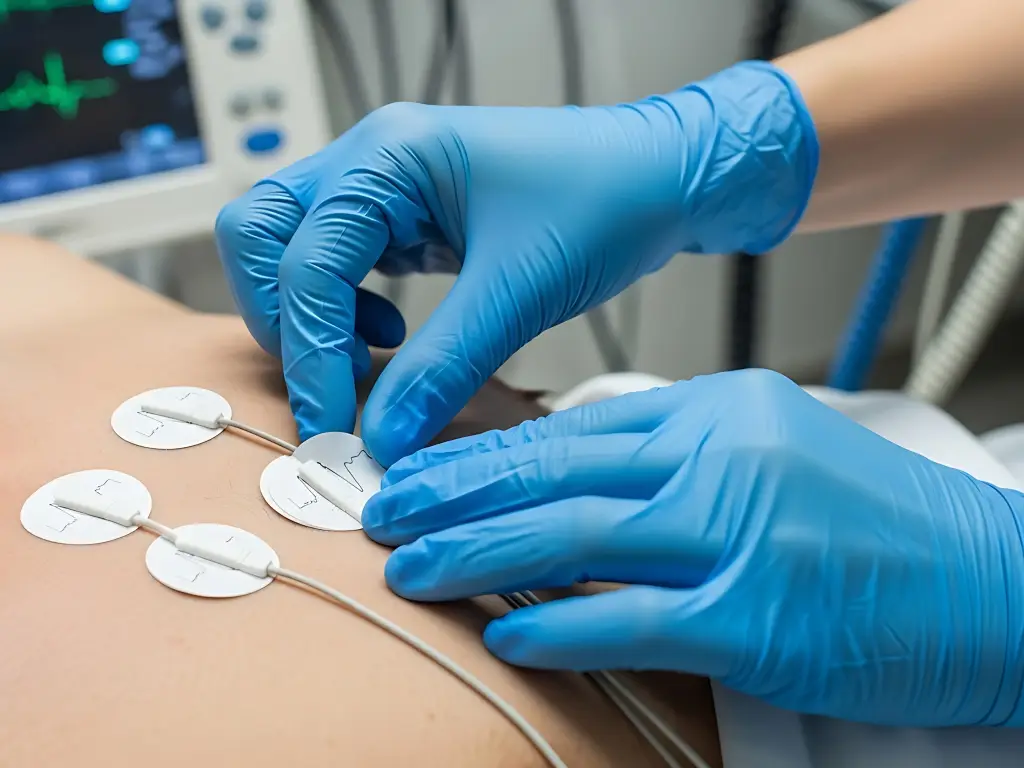
A Resting ECG, also known as a 12-lead electrocardiogram, records the electrical activity of the heart.
The test is commonly used to assess:
- heart rhythm,
- heart rate,
- and certain electrical abnormalities that may require further evaluation.
For some individuals, an ECG may detect irregular heart rhythms or electrical changes that could indicate underlying cardiac abnormalities requiring further evaluation. Symptoms such as fatigue or reduced exercise tolerance can have many causes and may warrant further evaluation depending on the individual's overall health and circumstances.
Importantly, An ECG is only one component of cardiovascular evaluation and is often included as part of broader preventive health assessments. Doctors will usually interpret the results together with a person’s medical history, symptoms, blood pressure, cholesterol levels, diabetes risk, and other health indicators.
What is High Sensitivity C Reactive Protein (hs-CRP)?
Another marker that may be included in certain health screening programmes is High Sensitivity C Reactive Protein, commonly known as hs-CRP.
Unlike cholesterol tests, hs-CRP measures levels of inflammation in the body.
Research has shown that chronic low-grade inflammation may be associated with cardiovascular risk. While hs-CRP alone cannot diagnose heart disease, it can provide additional information when assessed alongside other risk factors such as:
- cholesterol,
- blood sugar,
- blood pressure,
- smoking history,
- and family history.
This may help doctors understand a person’s cardiovascular risk when considered with other known risk factors.
Heart Health Does Not Exist in Isolation
One important thing to understand is that cardiovascular health is closely connected to overall health.
For example:
- diabetes can affect blood vessels,
- kidney health influences blood pressure regulation,
- excess body fat can increase metabolic risk,
- and liver health may reflect metabolic and lifestyle-related risk factors
This is why comprehensive health screening can be useful during midlife. Rather than focusing on a single organ system, it provides a broader picture of how different aspects of health may be connected.
For many men, the 40s and 50s are an important period to pay closer attention to:
- blood pressure,
- cholesterol levels,
- blood sugar control,
- physical activity,
- diet,
- sleep,
- and overall lifestyle habits.
Combined with appropriate medical follow-up where necessary, preventive screening can play a role in supporting long-term cardiovascular health and overall wellbeing.
Take a More Proactive Approach to Health

At Healthway Screening Centres, our health screening programmes are designed to support individuals at different life stages with comprehensive assessments tailored to their healthcare needs. This includes executive and specialised screening programmes that evaluate multiple aspects of health, from cardiovascular and metabolic risk factors to general wellbeing.

Medically Reviewed by Dr Zhang Junjie
Family Physician at Healthway Screening